
Agriculture, Research
Caraga’s Rare All-Black Native Cock
Yes, you read that correctly. The Philippines has its own all-black native cock, and some of these birds can weigh more than two kilos.
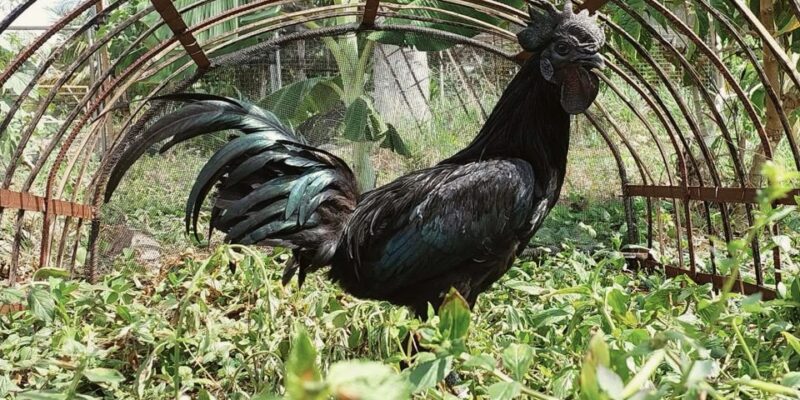
Called Patani, the Caraga Black Native Chicken is known for its striking dark appearance, from its feathers and skin to its comb, shanks, and even bones.
Black From Feathers to Skin
Unlike ordinary chickens, Patani has a high level of black pigmentation throughout its body. Its flesh can also appear grayish, making it one of the most unusual native chickens found in the Philippines.
The breed is being promoted by the Department of Agriculture (DA) Caraga through its Trento Research and Experiment Station in partnership with Caraga State University (CSU) in Butuan City.
Born From Philippine Native Chickens
Patani was developed through breeding and selection from four Philippine native chicken breeds: Darag, Camarines, Boholano, and Zampen.
In July 2019, a research team from CSU led by Dr. Tomas Austral Jr. successfully produced the black native chicken under the Organic Native Chicken Project, funded by the Department of Science and Technology-Philippine Council for Agriculture, Aquatic and Natural Resources Research and Development.
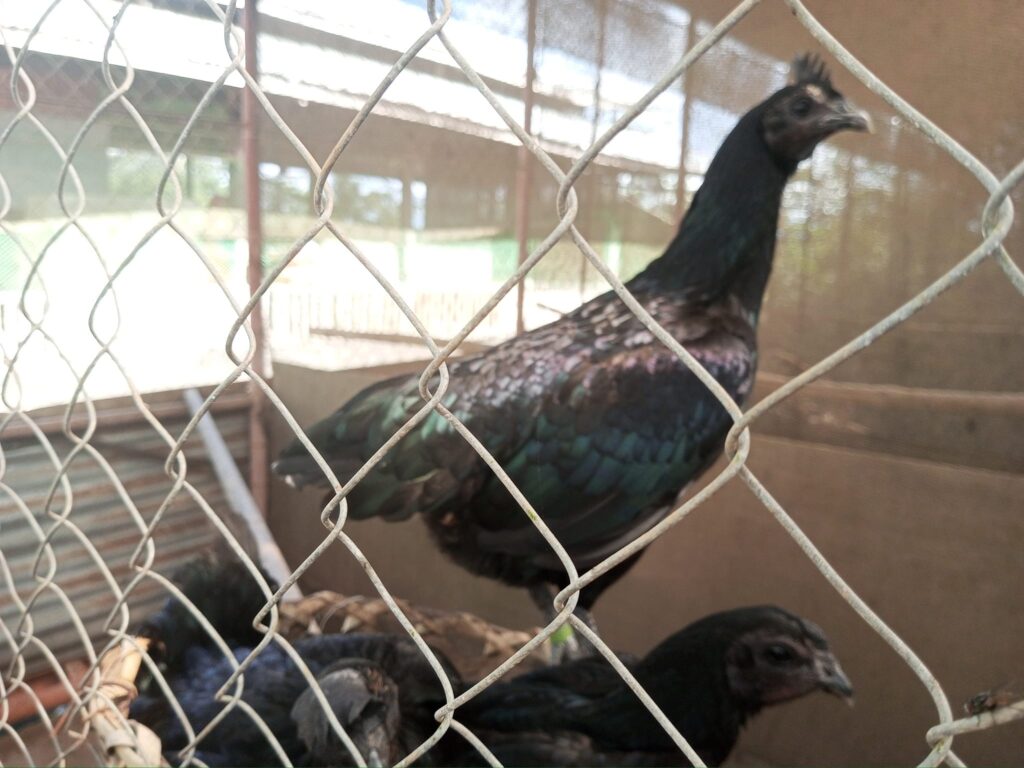
The project later sought help from the DA’s Trento Research and Experiment Station to conserve the breed, as only 124 pure and quality breeder stocks were initially established at the university.
A Native Chicken Built for Caraga
Researchers are now working to establish a true-to-type population of Patani that can perform well under the region’s conditions.
DA Trento Research and Experiment Station chief Dr. Ecolastico Cagatin said the breeding program aims to develop birds that are resilient to climate conditions while maintaining good growth, taste and disease tolerance.
Poultry raiser Eugene Deluta also shared that Patani showed strong resistance to disease on his farm, saying it was the only native chicken breed that survived a bird flu outbreak there.
It Lays More Eggs, Too
Patani is also showing promising reproductive performance.
While native chickens and Indonesia’s Ayam Cemani typically produce around 40 to 60 eggs annually, Patani can produce an average of 80 to 110 eggs per year, based on the cited research.
The breed has also shown promising egg weight, fertility and hatchability.
From Rare Chicken to Local Livelihood
Patani’s unusual appearance is not its only selling point. Researchers also see potential in its meat quality and growing market for native chicken.
The Philippines has a large native chicken industry, with native chickens accounting for about 45 percent of the country’s total chicken inventory in 2020, according to data cited by DOST-PCAARRD.
For Caraga, the goal is to take Patani beyond research farms and into commercial production.
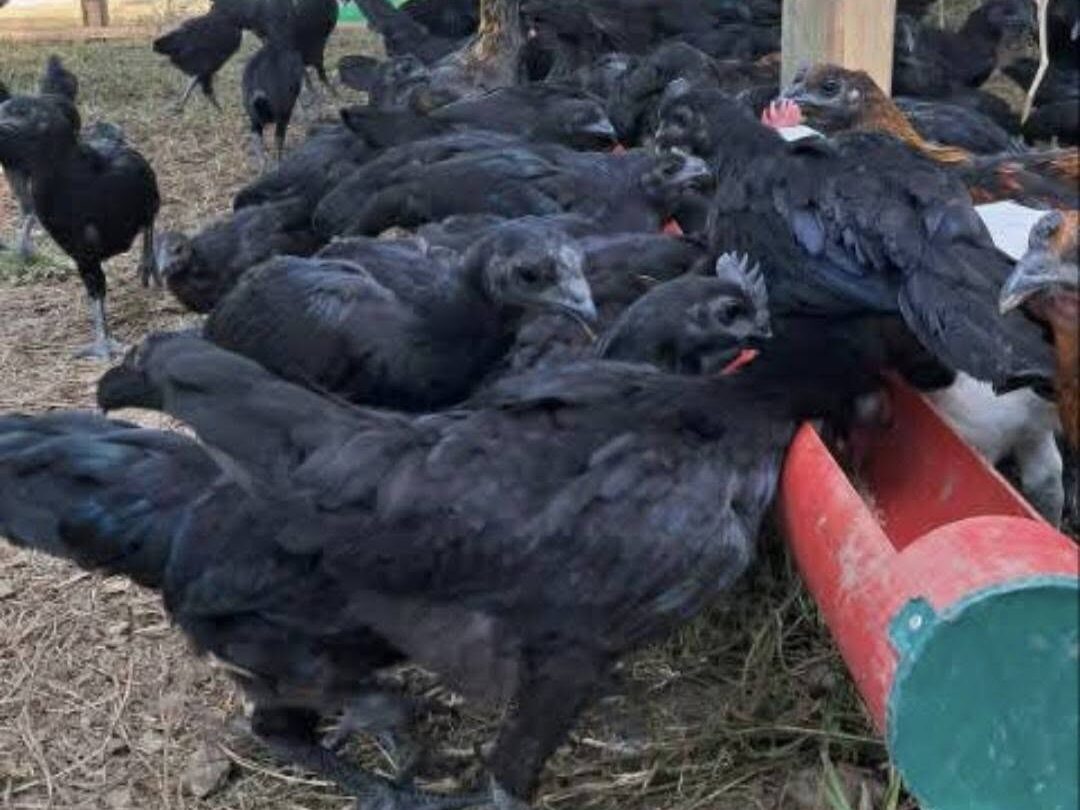
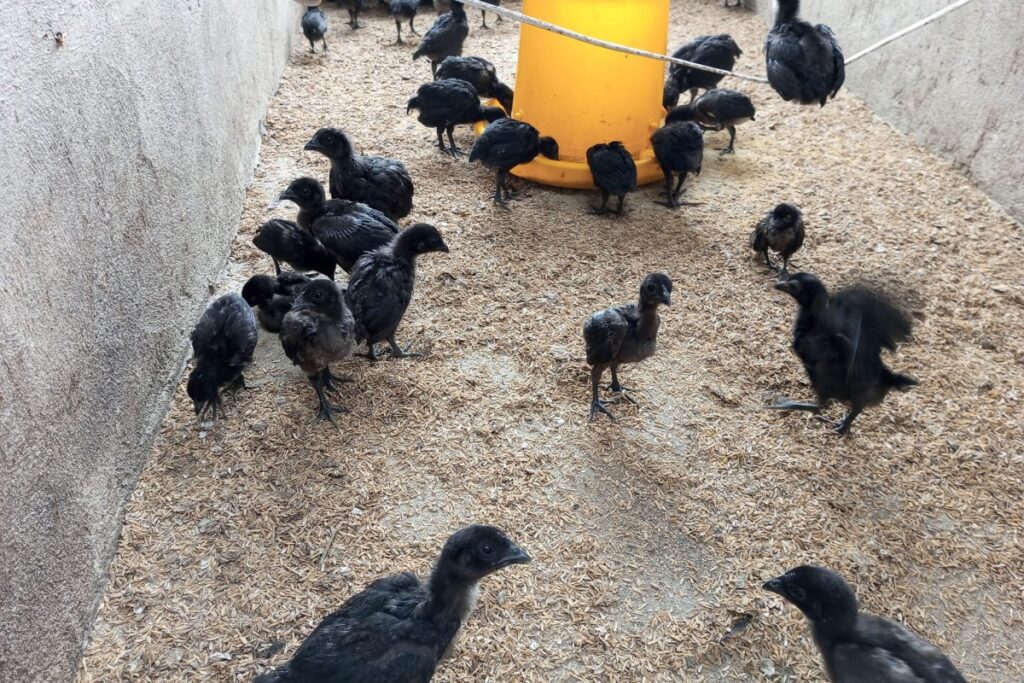
The project aims to increase the number of Patani chickens through multiplier and commercial farms, eventually making the breed available to more parts of the country as live birds or dressed chicken.
The Philippines’ Own Black Chicken
With its dark pigmentation, native origins and potential as a commercial poultry breed, Patani is more than just an unusual-looking chicken.
It represents an effort to preserve and develop a distinctly Philippine genetic resource while creating another livelihood opportunity for farmers in Caraga.
So, the next time someone tells you the Philippines has some impressive big, black cocks, don’t immediately assume they’re making a dirty joke.
They could simply be talking about Patani.
Help this knowledge grow
Have additional information, a correction, or a supporting resource for this article?
Try the form and preview your contribution. Nothing is submitted or saved. Closing the form or leaving this page clears your draft.