
Natural Disaster and Mitigation
DepEd to issue school guidelines to prepare for impacts of El Niño
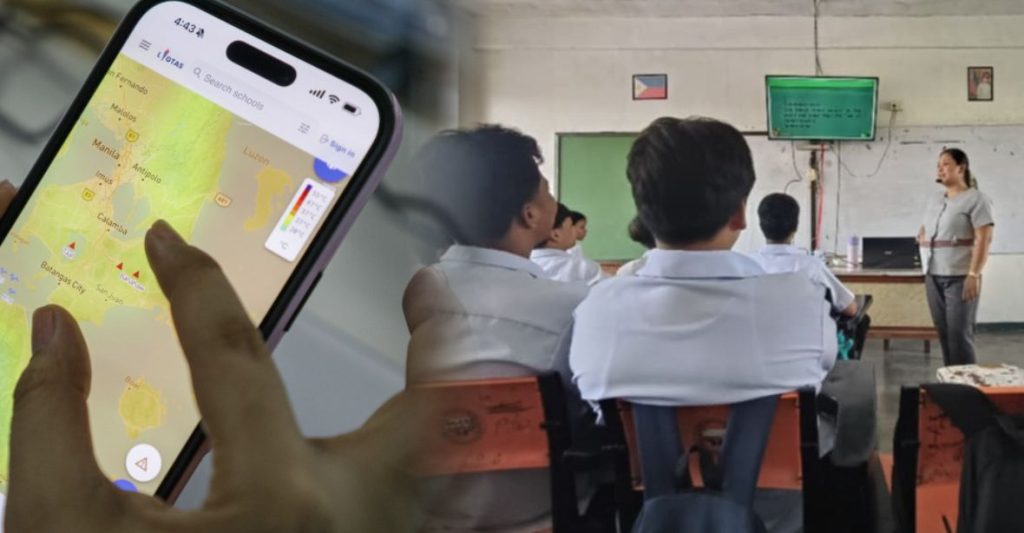
PASIG CITY (PIA) — The Department of Education (DepEd) will issue guidelines requiring all schools nationwide to prepare for the anticipated impacts of El Niño during the 2026–2027 School Year.
The guidelines will outline measures to protect students from extreme heat and water shortages, while ensuring that classes and school-feeding programs continue.
“Under the guidance of President Marcos, we are tightening our proactive, protective and anticipatory responses to ensure the adverse effect of El Niño is mitigated. We must prepare early to protect learners and keep education services going despite climate-related disruptions,” said Education Secretary Sonny Angara.
According to DepEd, the guidelines will outline measures to protect students from extreme heat and water shortages, while ensuring that classes and school-feeding programs continue.
These guidelines are in response to an advisory from the Department of Science and Technology–Philippine Atmospheric, Geophysical and Astronomical Services Administration (DOST–PAGASA) regarding a potential strong to very strong El Niño event, which could intensify before the end of 2026 and persist through the first half of 2027.
Under the new policy, which aligns with DepEd Order No. 014, s. 2026, or the Guidelines on Learning Continuity in Emergencies, Schools and Community Learning Centers (CLCs) will implement the “4H” framework (Hayo, Hinay, Hinga, and Hinto) to manage local adaptations during a climate crisis.
Under the “Hayo” (Go) phase where conditions remain manageable, face-to-face classes on campus will continue, with adjustments. These include scheduled water breaks, the rescheduling of outdoor activities to early morning hours or shaded areas, and the allowance for flexible attire or the wearing of PE uniforms.
Should conditions shift to “Hinay” (Slow), indicating the onset of heat stress, schools may implement modified class schedules that incorporate structured home-based or hybrid learning.
If the situation reaches the “Hinga” (Breathe/Pause) phase, signaling the need for caution due to extreme heat or a lack of water supply, academic demands will be significantly reduced to prioritize the well-being of the students. This will involve the use of supplementary learning packets, brief literacy and numeracy activities, and resources available via DepEd TV and radio.
Meanwhile, under the “Hinto” (Stop) phase which signifies health risks posed by a high heat index, academic activities will be suspended. During this time, schools will maintain essential communication, conduct safety checks, and facilitate referrals for psychosocial support.
“We are giving our school heads and division superintendents the practical flexibility to exercise sound judgment based on actual ground conditions, classroom ventilation, and water availability. We trust our field managers to make the right call for their communities,” added Angara.
DepEd said that the impending memorandum also mandates an integrated school-level risk assessment, covering factors such as the reliability of the water supply, classroom ventilation, the integrity of electrical systems, and fire prevention. To maintain health and nutrition services during a prolonged dry spell, the DepEd has established strict protocols for the School-Based Feeding Program (SBFP).
Schools Division Offices (SDOs) and school heads are likewise required to develop contingency menus, coordinate with local government units (LGUs) and farmers’ cooperatives to secure local food supplies, and maintain a buffer stock of non-perishable food items to ensure the students’ continued access to nutrition.
Key policy safeguards also include monitoring classroom temperature and humidity using calibrated devices, ensuring proper ventilation, and allowing teachers and students to wear comfortable, lightweight clothing such as the official DepEd collared shirt or PE uniforms.
Further, schools are also advised to ensure water security by promptly repairing leaks, providing safe drinking water stations, and coordinating with local utility providers for scheduled water rationing. In addition, a buffer stock of physical Self-Learning Modules and Learning Activity Sheets will be maintained for early distribution.
The education department also said the upcoming guidelines strictly prohibit requiring parents to pay for any fees or expenses, such as those for cooling equipment, internet connectivity, or specific attire as a condition for participating in flexible learning arrangements. (JEG/PIA-NCR) –Photo courtesy of DepEd
Help this knowledge grow
Have additional information, a correction, or a supporting resource for this article?
Try the form and preview your contribution. Nothing is submitted or saved. Closing the form or leaving this page clears your draft.