
Agriculture, Aquaculture
Philippine Ube Production Grows 22.5% in Q2
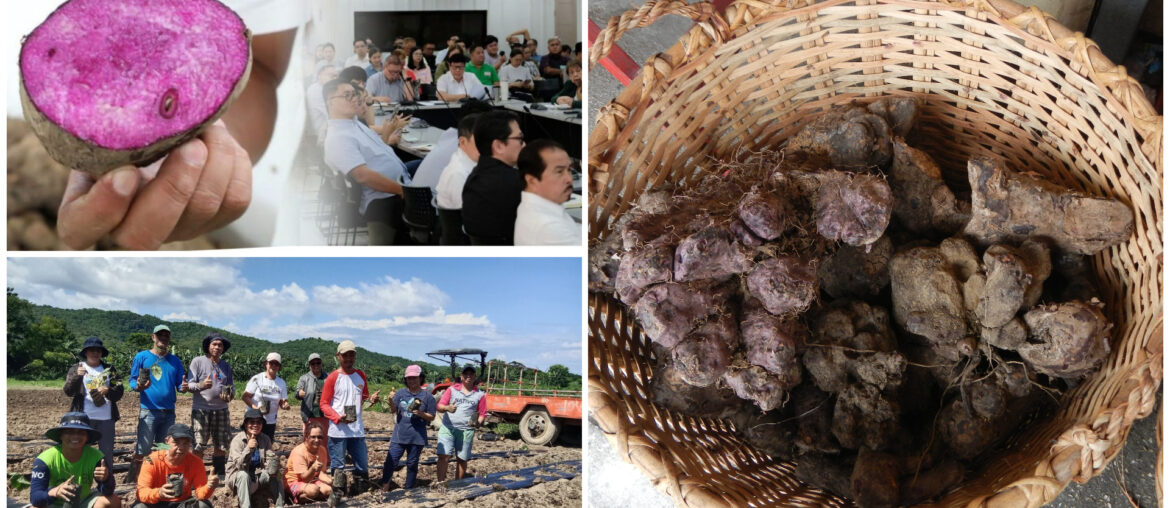
Ube is showing stronger numbers in Philippine farms as demand for the purple yam continues to grow at home and abroad. From familiar desserts to drinks, pastries and other food products, ube has become a more visible ingredient in the international market. The latest farm data also puts the spotlight on how much the country is producing as interest in Filipino flavors grows. Read on to see where the Philippines’ ube supply is coming from and why the crop is gaining attention.
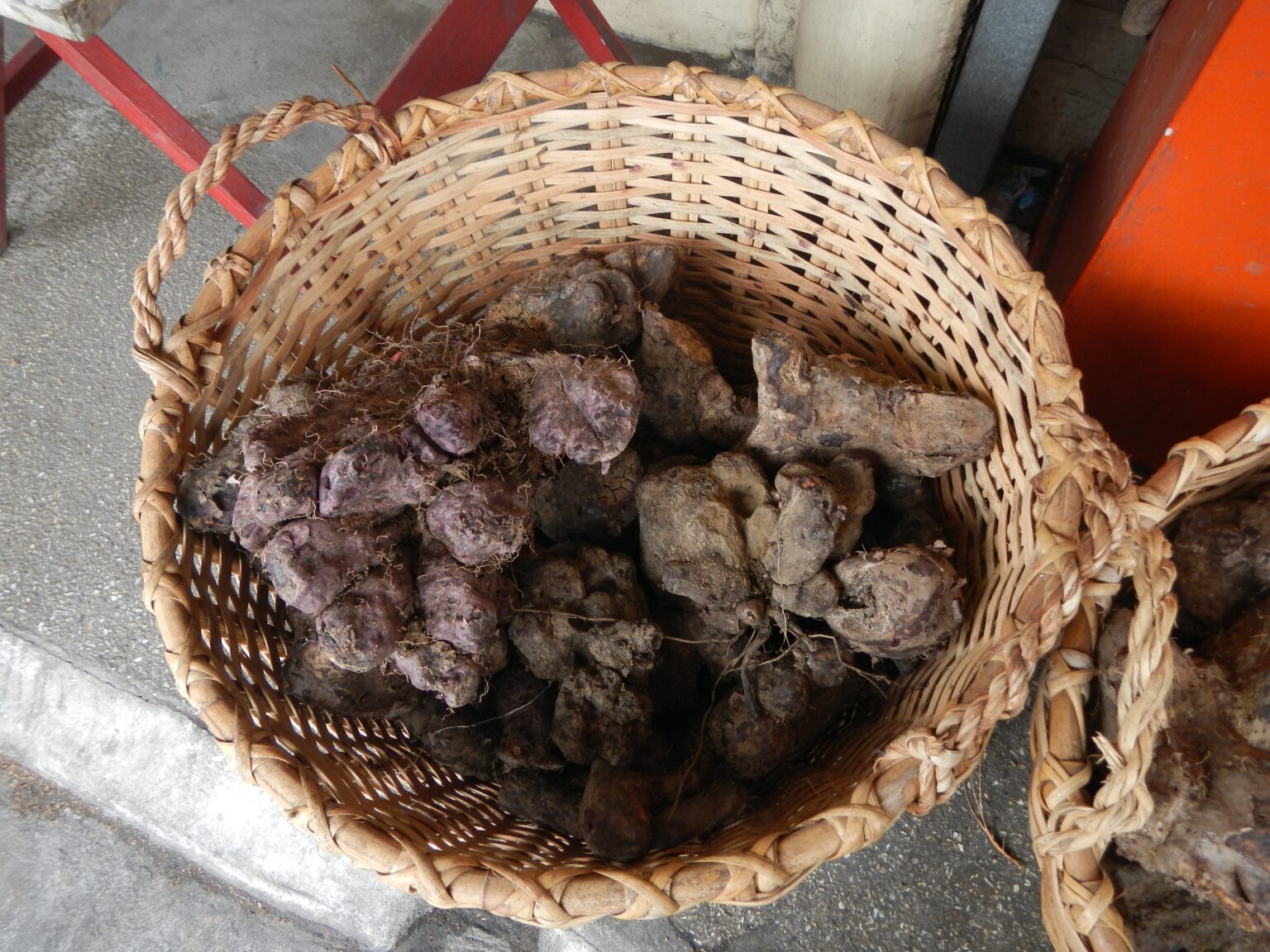
Production Hits a New Second Quarter High
The Philippines produced 1,681.67 metric tons of ube from April to June 2026, according to preliminary data from the Philippine Statistics Authority (PSA). That was 22.5 percent higher than the 1,372.91 metric tons recorded during the same period in 2025. The figure was also the highest second-quarter production recorded since the PSA began its quarterly agricultural production series in 2010.
Cagayan Valley Leads Production
Much of the country’s ube output during the quarter came from Cagayan Valley, which produced 463.90 metric tons. The region accounted for about 27.6 percent of the country’s total ube production from April to June. Its contribution places the region at the forefront of the country’s purple yam supply during the quarter.

Ube Finds More Markets Overseas
The increase in production comes as Filipino ube continues to attract attention outside the country. The purple yam is now used in a growing range of products, including ice cream, pastries, beverages and other desserts sold in markets in the United States, Europe, Australia and Asia. Its distinct color and flavor have also helped make ube a recognizable part of Filipino food culture among international consumers.
Demand Brings New Pressure
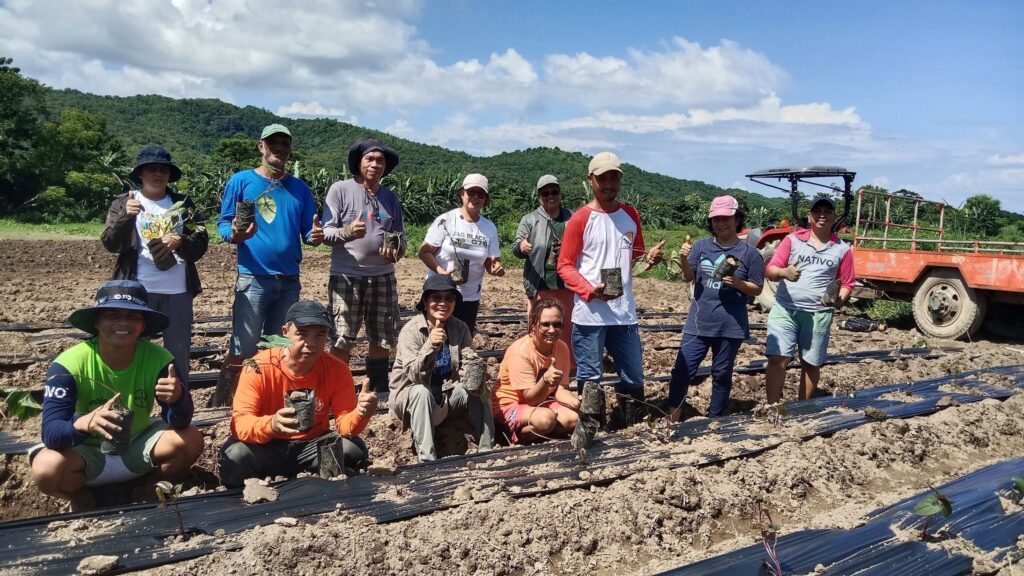
Higher demand also brings questions about whether local farms can consistently supply the growing market. The Department of Science and Technology has pointed to challenges in the ube industry, including limited planting materials and farming practices that still need improvement. Addressing these concerns could become important as more businesses look to source Philippine-grown ube for both local products and export markets.

A Crop With Bigger Potential
The latest production figures show that ube is becoming more than a familiar ingredient in Filipino kitchens. Its growing presence in international food products gives farmers and producers an opportunity to reach a wider market, while the latest quarterly figures show that local production is moving upward. Keeping that growth steady, however, will depend on improving farm practices and ensuring that growers have enough quality planting materials.
The Next Harvest to Watch
With demand continuing to build, future harvest figures will show whether the Philippines can maintain the momentum recorded in the second quarter of 2026. The latest PSA data offers a positive sign for an agricultural crop that is increasingly tied to the global popularity of Filipino flavors. For now, the country’s purple yam industry has another reason to stand out, with second-quarter ube production reaching its strongest level in the PSA’s quarterly series.
Help this knowledge grow
Have additional information, a correction, or a supporting resource for this article?
Try the form and preview your contribution. Nothing is submitted or saved. Closing the form or leaving this page clears your draft.